AUTOMOTIVE
Automotive pedal assembly
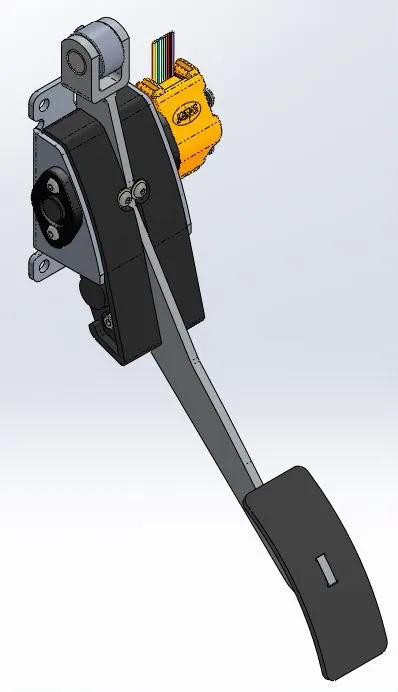
Accelerator pedal with a position sensor: kinematics, packaging and mountings designed in CAD.
DESIGN · FEM ANALYSIS · PRODUCTION
From a hand sketch or a spec through to the finished part: mechanical design and finite element simulation with Ansys, SolidWorks and MATLAB (static, fatigue, thermal and vibration), with a single technical lead.
Four phases and one technical lead, from the first calculation to the tested part.
We start from the functional requirements, the constraints and on-site surveys, and design the component or assembly from concept to production drawing.
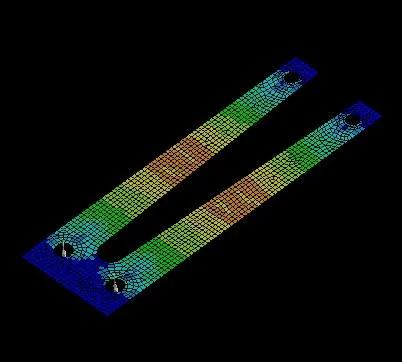
We validate behaviour with finite element analysis: static, fatigue, thermal and vibration, with stresses, deformations and safety factors.
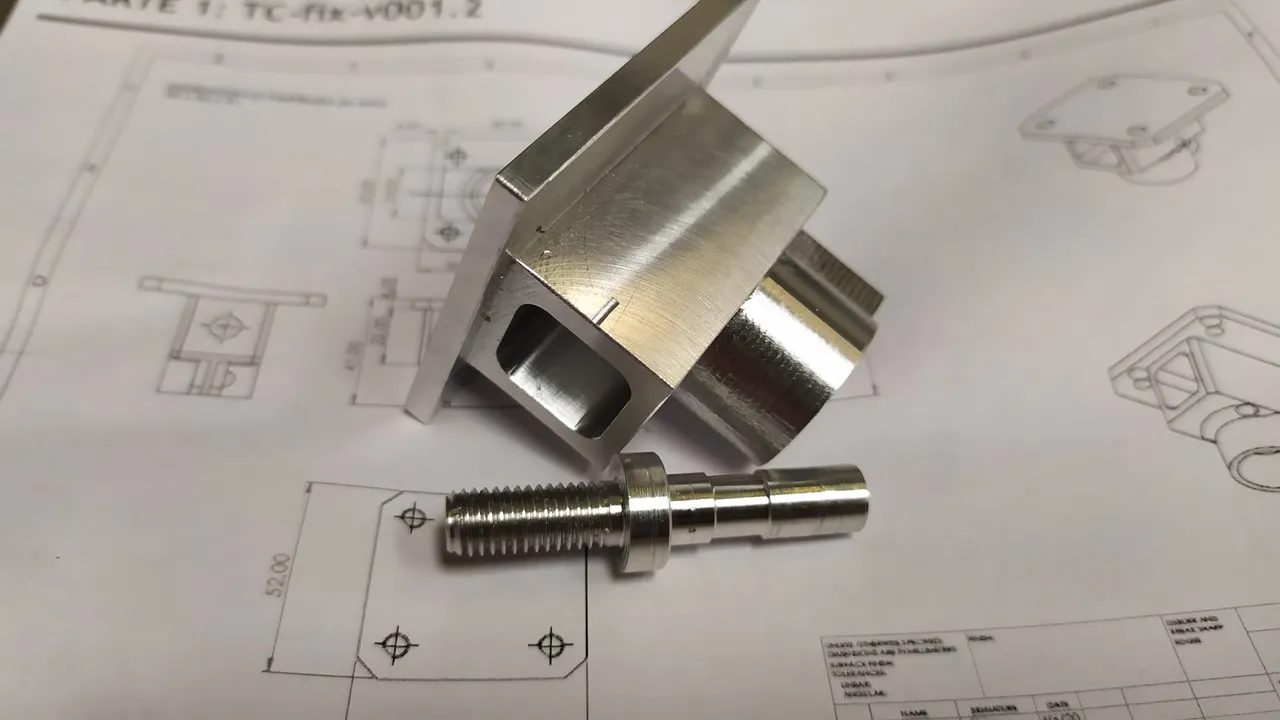
We take the project into production, also with qualified partners, keeping the critical dimensions under control. Technical responsibility stays with us.
We verify the real part with bench tests, strain gauges and optical measurements, and deliver the conformity report with the technical dossier: assumptions, model, tests and checks.
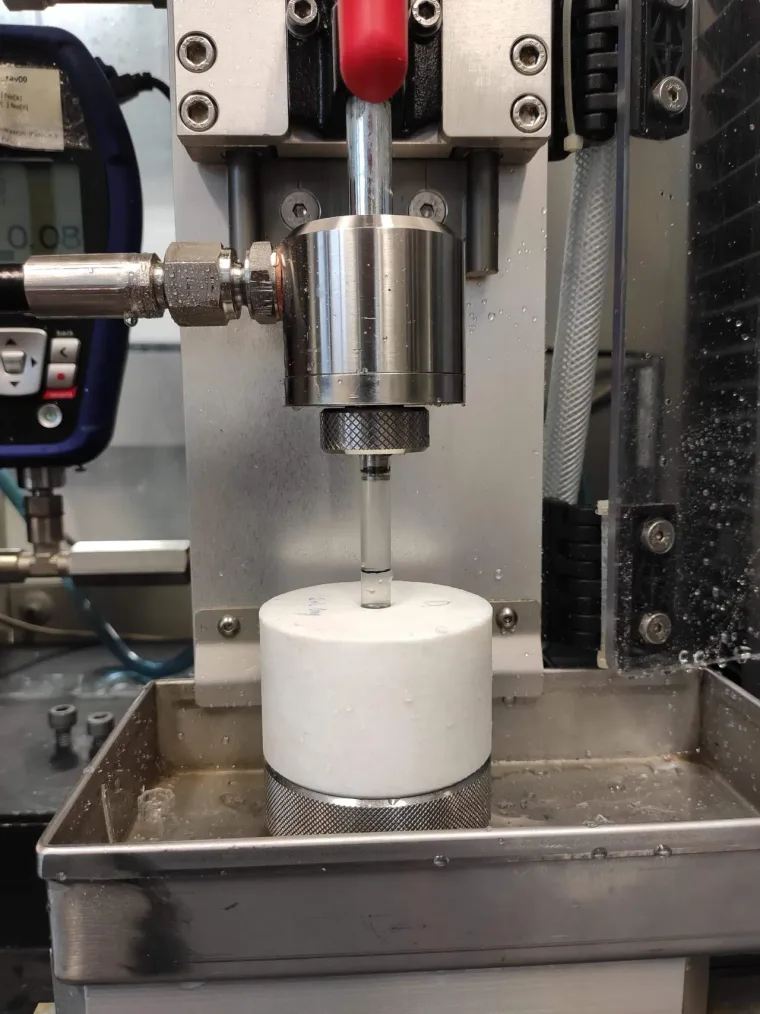
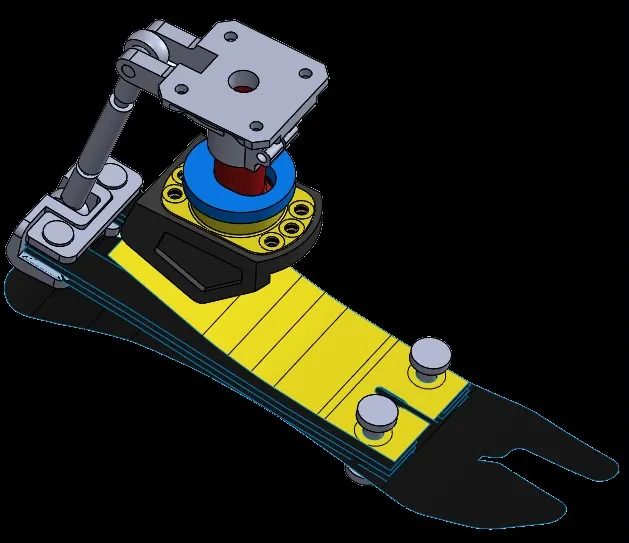
A carbon-fiber foot prosthesis: designed, optimised with over 1,000 FEM simulations, produced, instrumented and bench-tested to ISO 10328, through to the validation report.
Models and renders of real projects, across very different component types.
AUTOMOTIVE
Accelerator pedal with a position sensor: kinematics, packaging and mountings designed in CAD.
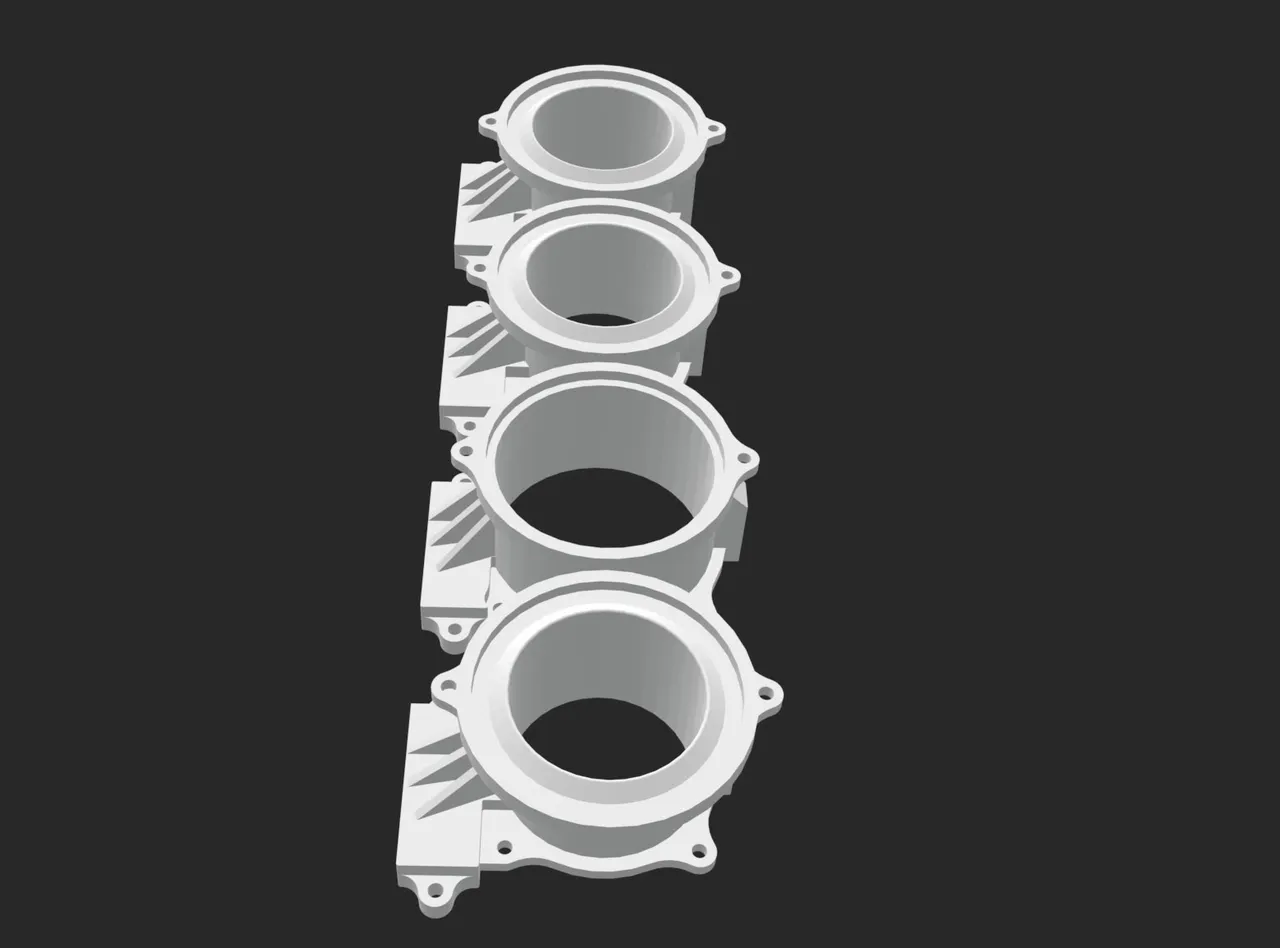
AUTOMOTIVE
Ducts for a cabin cooling system, designed around packaging and flow constraints.
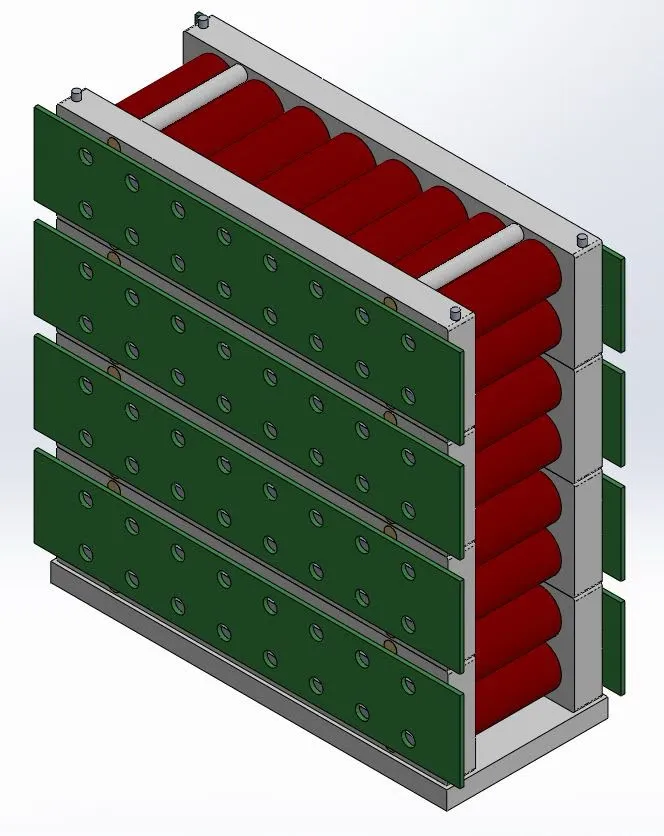
E-MOBILITY
Modular architecture for cylindrical cells: structure, plates and fixings designed for assembly and maintenance.
Models of real projects, shown in anonymised form: customer projects remain confidential.
FEM ANALYSIS
We don’t stop at the drawing. Before production we check behaviour with finite element analysis, from a single component to the complete chassis of a vehicle, with real operating loads and constraints. It’s the method we refined in research: on the MyFlex-γ prosthesis, over 1,000 simulations and prototype stiffness curves matching the model.
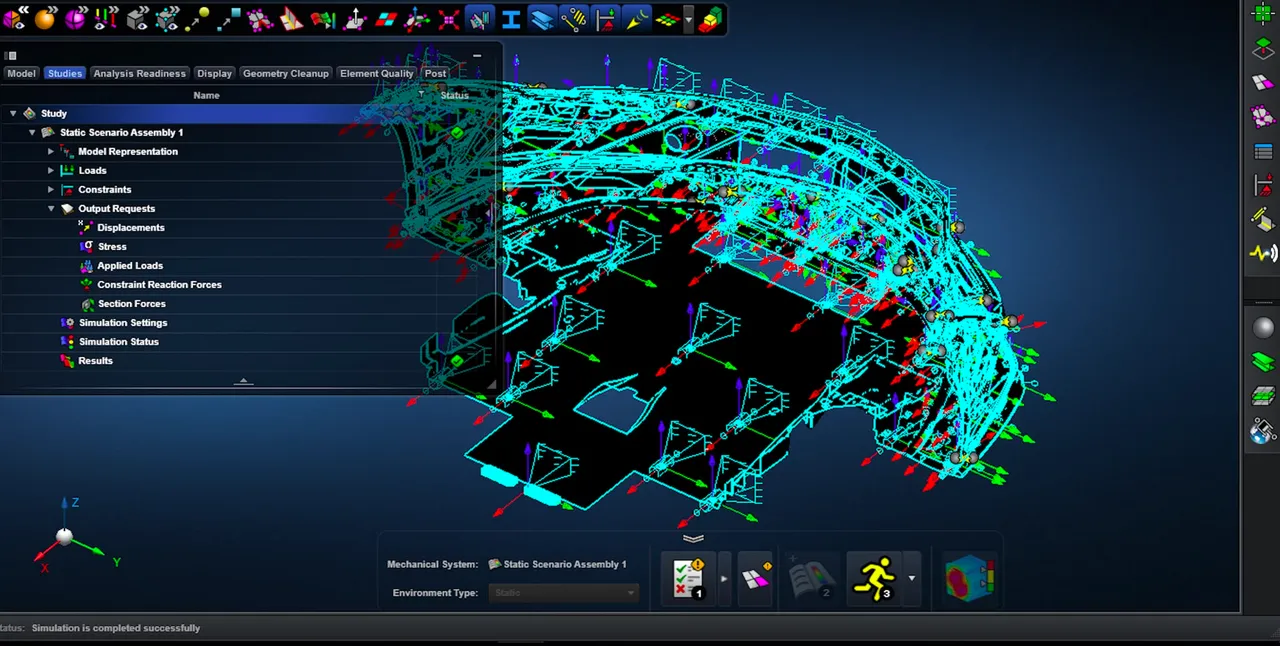
Three real projects, from a certifiable prosthesis to a complete vehicle.
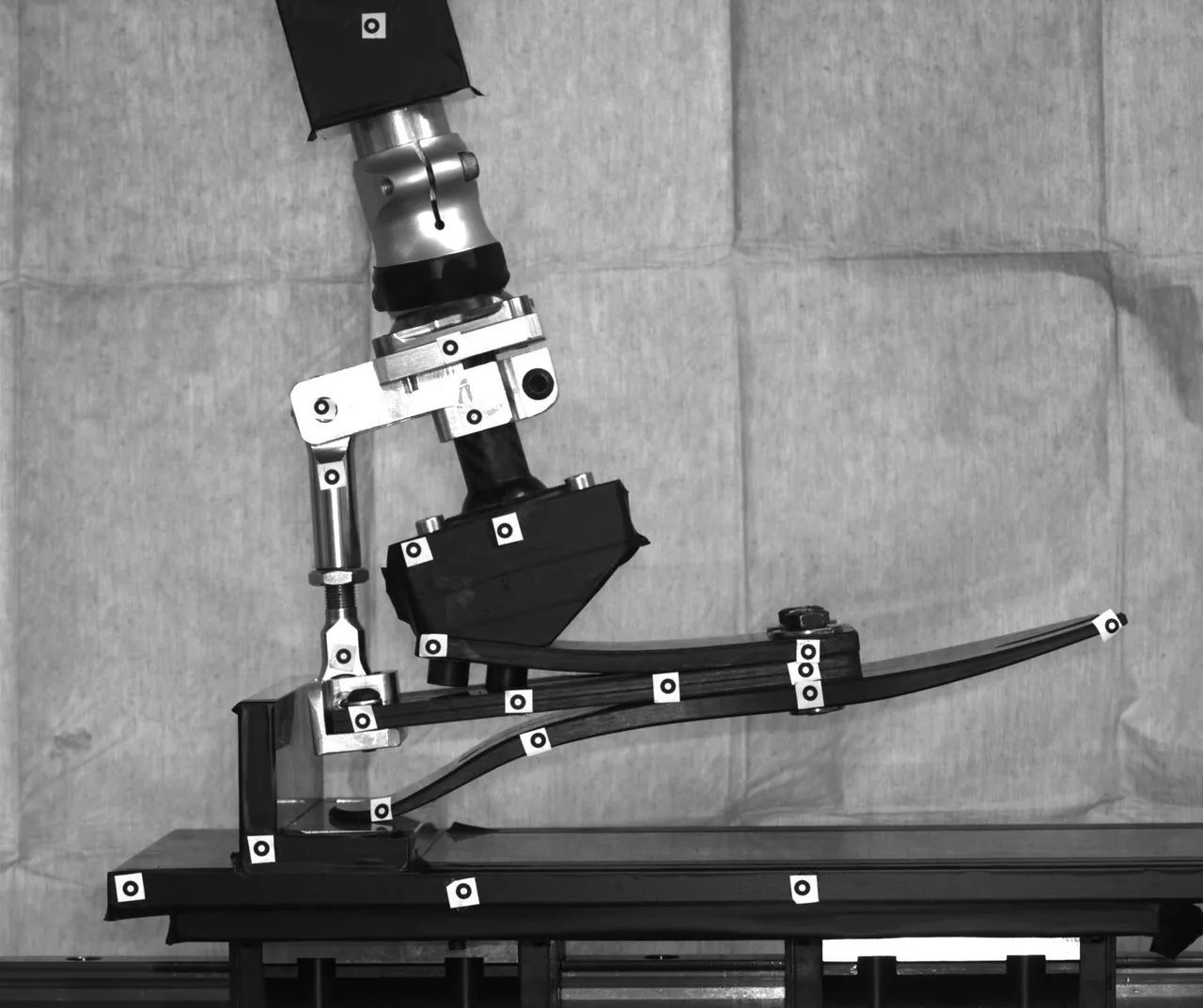
End to end
Real projectDesign, over 1,000 FEM simulations, a carbon-fiber prototype and lab tests to ISO 10328, through to the validation report.
Read the full case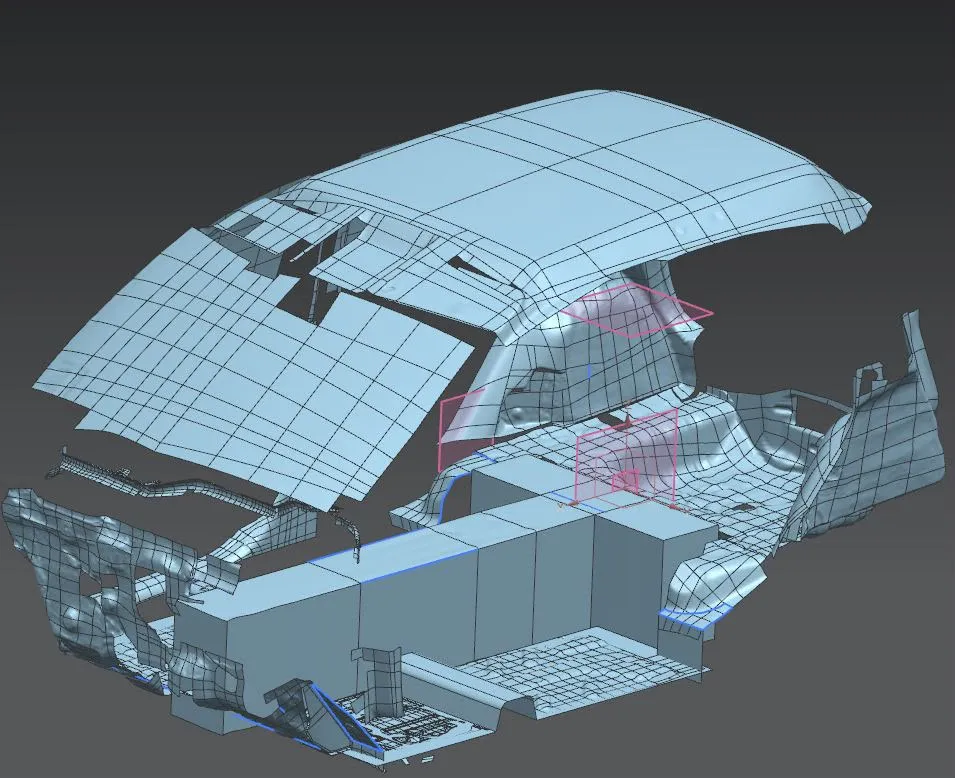
Reverse engineering
Real projectA 3D scan, rebuilt body surfaces and new components designed for the conversion from combustion to electric propulsion.
Read the full case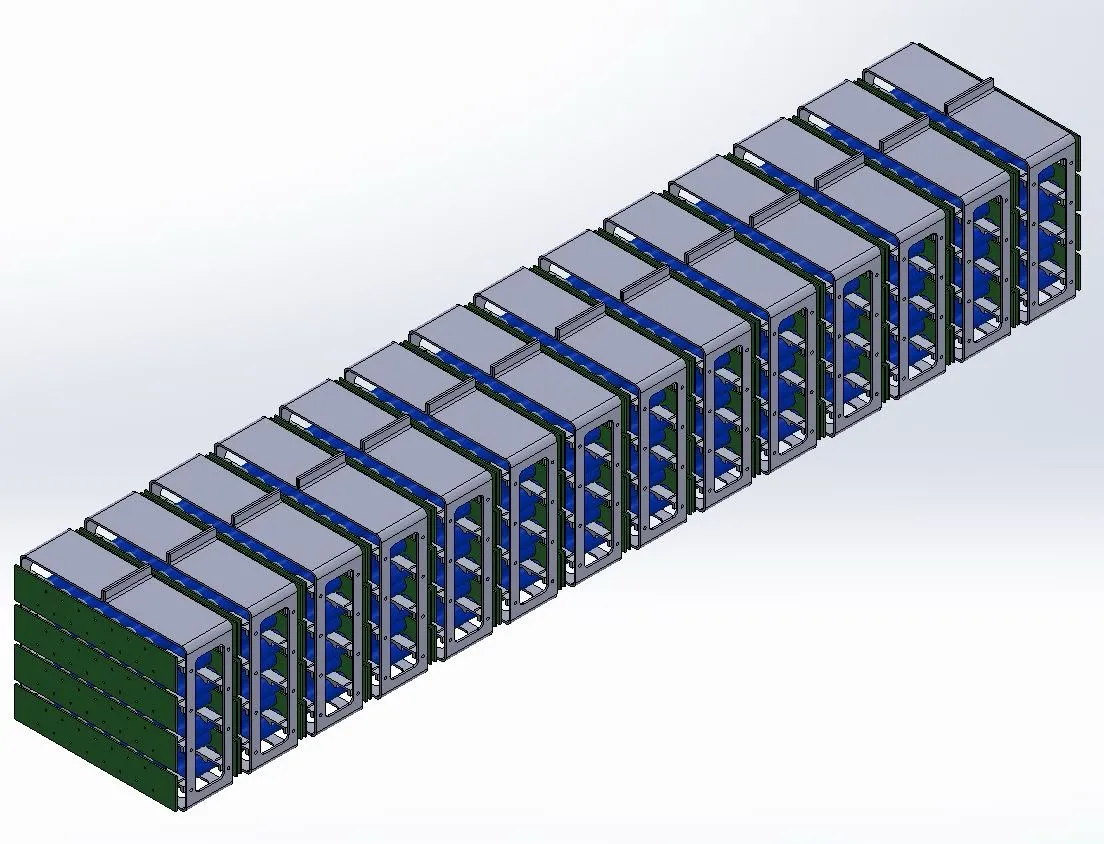
E-mobility
Real projectModular architecture for cylindrical cells: mechanical structure, plates and fixings designed for assembly, maintenance and scalability.
Read the full caseAll real projects: some from the founders’ published research, others from professional work, shown in anonymised form. Full confidentiality on the customer’s projects and data.
From both. We can design from scratch based on the functional requirement, or develop and validate a drawing or component you already have.
Structural analysis (stresses, deformations, safety factors) and, where needed, thermal and fatigue. We give you a report in the technical dossier.
Both. We can stop at the validated design, or also handle the production of the special component, always with a single point of contact.
Yes. We build FDM and SLA 3D-printed prototypes to check clearances, assembly and shape before production, and we improve existing components for weight, strength, cost or manufacturability.
Yes. Absolute confidentiality on the customer’s projects, drawings and know-how. For us it is a baseline condition.
As an order of magnitude: the FEM verification of a single component is usually completed in one to two weeks; a full project, from requirement to finished part, takes one to three months depending on complexity. After an initial assessment we give you a defined lead time and price, before you commit.
We design and make composite components from start to finish: layup, molds, production with dedicated partners and material characterization.
Tell us about the component or assembly to develop. We’ll reply with the next steps.